 1. This cute little baby is an example of a K-Strategist, which are organisms that are able to survive at or near carrying capacity. They tend to put a great deal of resources into raising only a few young. They are usually highly adapted to their environment and are able to compete successfully for food. They live in stable environments and usually live long lifes.
 2. The plant in this picture has several tendrils. Tendrils are specialized stems that have a thred-like appearance. Plants use them for support and attachment as they grow and climb up a surface. The tendrils work by wrapping around objects.
 3. Cellulose is the primary component of the cell walls in green plants and many forms of algae.
 4. This is me, eating some Doritos. As I chew the Doritos, my body will release a series of enzymes, which are biological catalysts (chemicals that speed up the rate of reactions). The enzymes in saliva begin to break down the carbohydrates in food.
5. Pollination is an example mutualism, which is a symbiotic relationship in which two organisms work together for mutual benefit. In pollination, the plant benefits from having its pollen dispersed from plant to plant and the pollinator (in this case a butterfly) recieves a source of food.
 6. Fungi have cell walls made of chitin. Chitin is a carbohydrate that is both flexible and strong. It is also found in exoskeletons of insects and crustaceans. It is often compared to keratin.
7/8. This tree trunk is an example of a woody stem. Stems are used to give support and elevation to any flowers and leaves, as well as transport nutrients throughout the plant. This stem is classified as "woody" because it is a hard, textured stem, with wood as a secondary xylem.
The wood in this tree is an example of xylem. The basic function of xylem is to transport water from the roots to various parts of the plant.
 9. This lemon is an example of a fleshy fruit. The fruit contains and protects the seeds. Plants use the fruit to scatter seeds
 10. This grasshoper is an arthropod. Arthropods are invertebrates with exoskeletons, jointed appendages, and segmented bodies. Arthropods include insects, crustacheans, and arachnids. The term comes from Greek meaning, "jointed feet".
11/12. This butterfly is serving as a pollinator, which moves pollen from the male stamen to the female pistil, in order to fertilize the female seed.
Pollen is a powder produced by plants that carry male gametes (sperm cells).
 14. These plants are all autotrophs. Autotrophs produce their own food from inorganic compounds and energy. Photoautotrophs (like these plants) get their energy from sunlight, while chemoautotrophs recive energy from chemical reactions.
 15/16. The skin on my hand is made of epithelial tissue. Epithelial tissue is also found inside the body, lining different cavities. Its roles include protection, secretion, and absorbtion.
Also, the cells in my hand have the human diploid chromosome number: 46 chromosomes(organized structers of DNA and protein), arranged into 23 pairs.
 17. This fern's leaves are classified as fronds. Fronds are large, divided leaves. The term frond can be used to refer to other large divided leaves, but most people only use the term to refer to fern leaves.
18. This is a lichen. A lichen is a symbiotic relationship between a fungus and a photosynthetic organism. They can often live in areas where other plant organisms cannot, such as this one, living on a rock.

19. This is my sister, flexing her big man muscles. The muscle's in the arm are skeletal muscles, which are a type of striated muscle. Striated muscle is formed from bands fibers that give it a striped appearance.
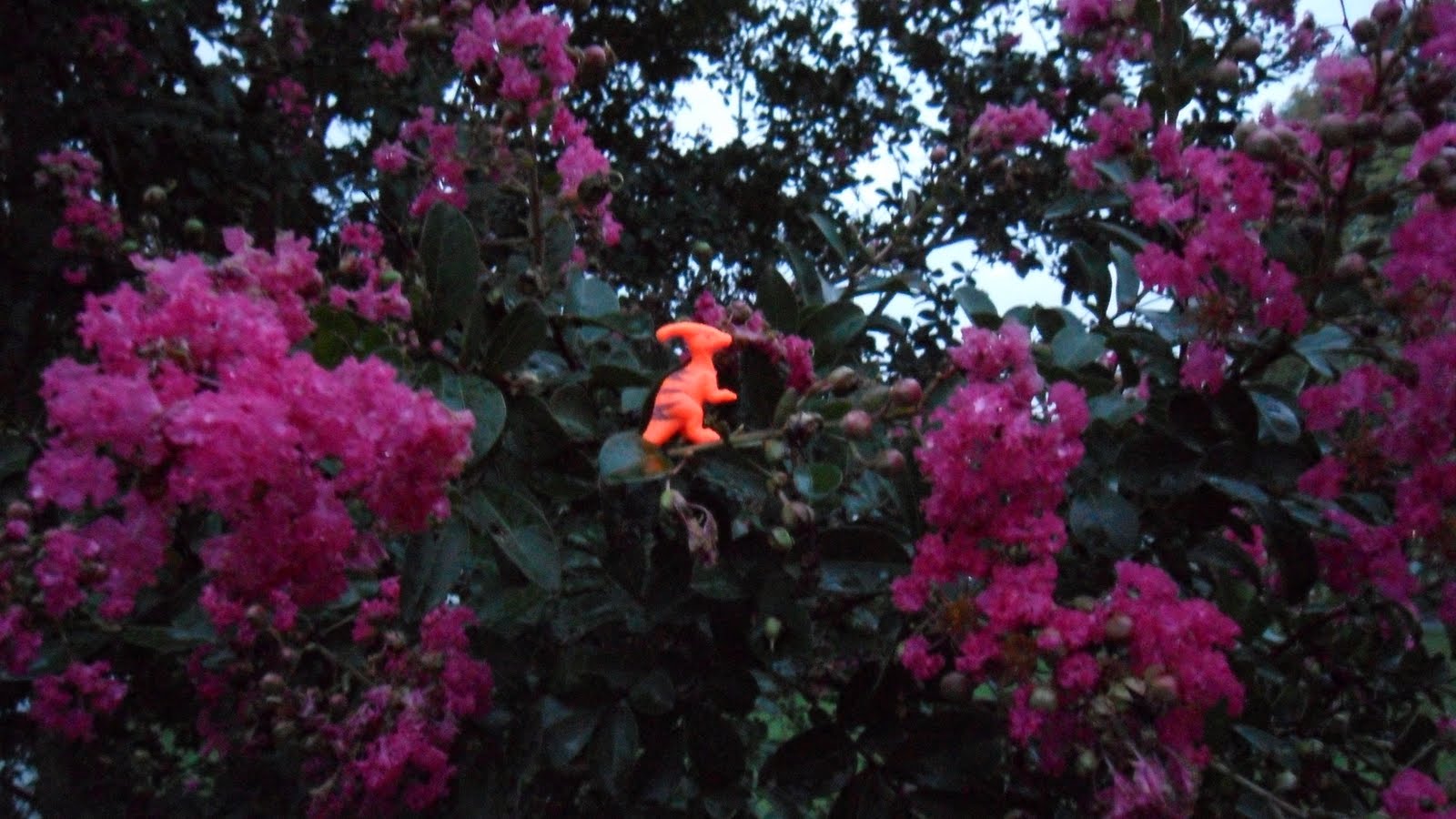 20. This plant is an angiosperm. Angiosperms are a type of seed-producing plant. Unlike gymnosperms however, angiosperms have flowers, and produce fruit to contain their seeds.
21. This cat is an example of an endotherm. Endotherms can regulate their own body temperature, keeping it at a constant level.
 22. This is a cactus. It's a well-known fact that cacti are covered in prickly spines. But, what isn't well known is that the spines are actually modified leaves, designed to protect the plant from hungry herbivores.
23. This mushroom is a Fungus. One major difference that sets them apart from other organisms are cell walls composed of chitin.
 24. This is an example of a herbaceous stem. Plant stems provide support and elevation to leaves and flowers. Also, stems transport nutrients throughout the plant. This stem is herbaceous because it lacks wood.
 25. These are an example of deciduous leaves. When fall comes, the leaves will turn yellow and eventually fall off for winter.
 26. This stink bug is a type of insect. Insects are a type of arthropod that have an exoskeleton made of chitin, a body divided into 3 parts (head, abdomen, and thorax), three pairs of jointed legs, antennae, and compound eyes.
 27. The cuticle layer of a plant is the protective coating produced by leaves. It serves as a barrier for water and other materials and prevents plant tissue from being contamined by dirt, bacteria, etc.
 28. Keratin is a strong, fibrous protein. It is found in human skin, and makes up fingernails and hair.
 29. This shows several properties of water. Cohesion causes the water droplets to stick together and adhesion causes them to stick to the surface. The round shape of the droplets is a result of surface tension.
 30. This is an example of a vascular plant. Vascular plants have tissues that conduct water, minerals, and other substances throughout the plant's stems, leaves, and roots.


